
Home renovations are exciting, but if you have ever gone into a remodel with a clear completion date in mind, you already know that things do not always unfold exactly as planned. You may start with a vision, a schedule, and a sense of momentum, only to discover that unexpected issues push the finish line further out than you expected. If you are dealing with home renovation delays in San Jose, you are not alone. Many homeowners run into scheduling issues that affect the flow of the project and create stress during construction. When you understand why delays happen, you are better prepared to plan realistically, respond calmly, and make smarter decisions throughout your remodel.
Key Takeaways
Typical Causes of Home Renovation Delays

There are several common reasons your renovation may take longer than expected, even if the project seemed well planned at the start.
How Weather and Permits Affect Timelines
If your project requires permits, approvals, or inspections, you should expect those steps to influence your schedule. Permit timelines vary based on the scope of your remodel, and inspections must often be scheduled and passed before work can move to the next phase. This is especially important if your project involves structural work, room additions, major electrical updates, plumbing changes, or exterior improvements. Even when your contractor is ready to move forward, progress may need to pause until the proper approval is in place.
Weather can also affect your timeline, especially if your remodel includes roofing, foundations, exterior finishes, or other outdoor work. Rain and other seasonal conditions can slow progress and limit what can safely be completed on a given day.
Materials Shortages and Lead Times
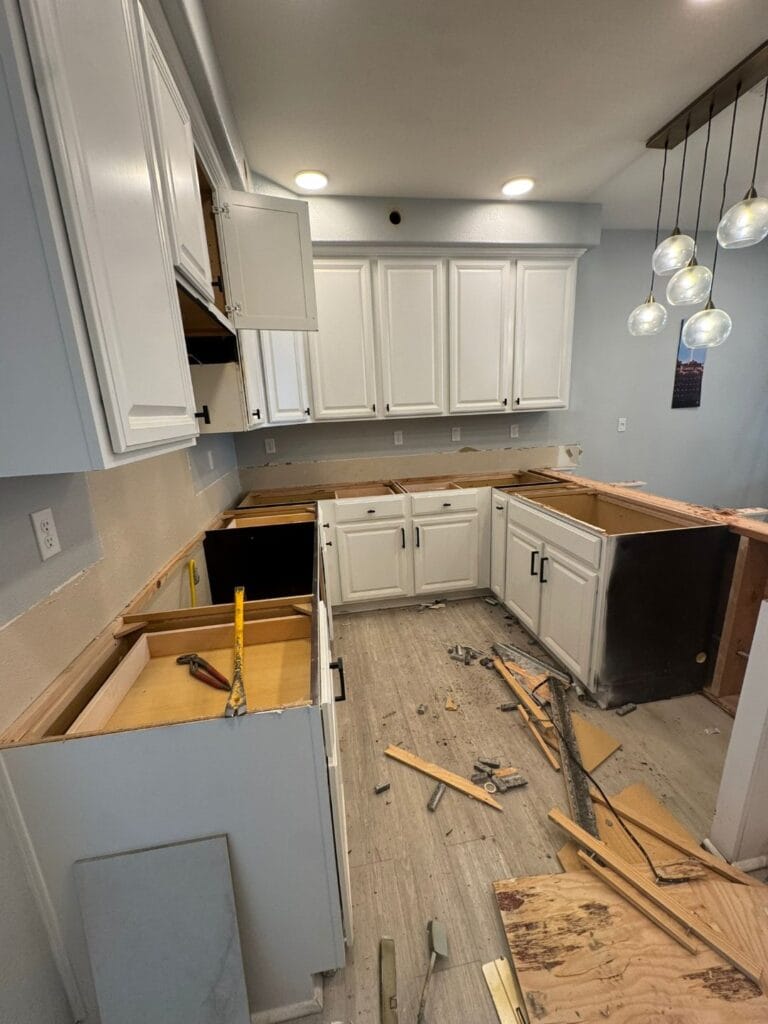
Material availability remains one of the most common reasons renovation projects take longer than expected. If you are ordering cabinets, windows, appliances, tile, custom fixtures, or specialty finishes, there is always a chance that lead times will run longer than initially projected.
Even when a product appears available, shipping delays, back orders, or damage in transit can cause additional setbacks. If a replacement is needed, you may wait weeks longer than expected. If you decide to switch materials mid project, it might affect installation timing and coordination.
This is why early selection matters so much. When you finalize your materials before construction begins, you reduce the risk of waiting on a decision or discovering too late that a key item is unavailable.
Hiring Challenges and Contractor Scheduling
Your project timeline is also shaped by contractor availability. In busy markets, skilled trades often manage multiple projects at once, and scheduling can shift when another job runs into unexpected issues. This does not always mean your contractor is disorganized. It often reflects the reality of a high demand industry where electricians, plumbers, finish carpenters, and other specialists are scheduled carefully and sometimes weeks in advance.
If one phase of work on another project runs long, your start date or your next step may need to move as well. These are the kinds of issues that often lead to remodeling project delays, even when the original plan seemed realistic. Specialized work can be even harder to schedule, which can make even a well managed project feel slower than expected.
What Delays Are Normal, and What Delays Are a Warning Sign
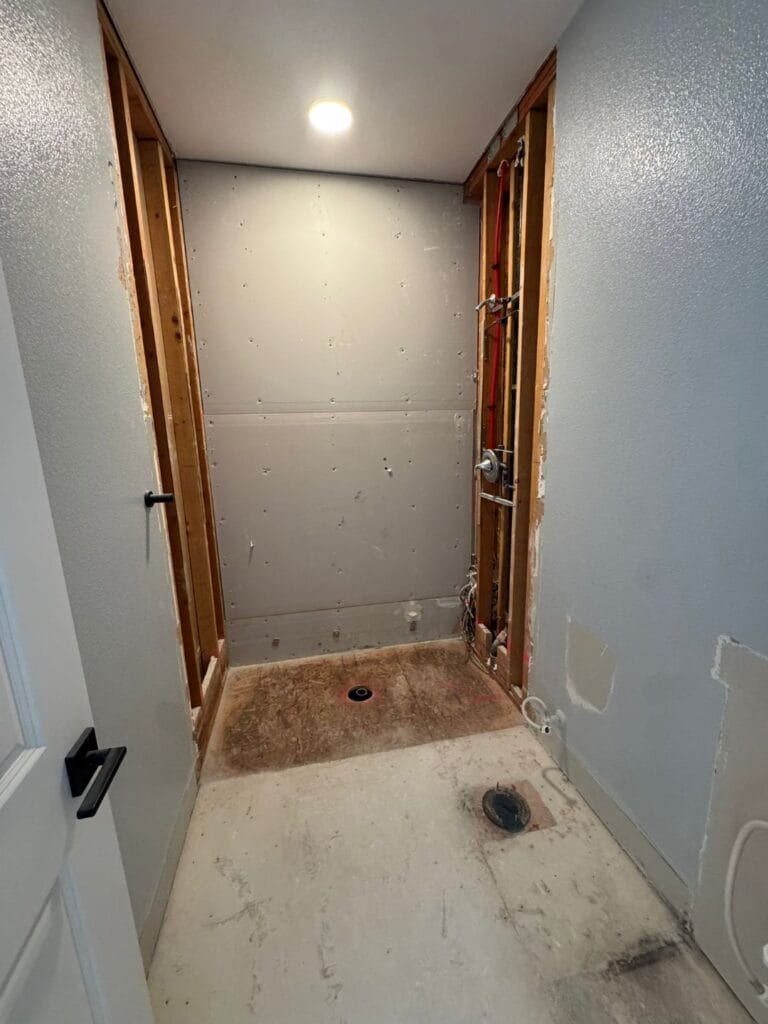
Some delays are a normal part of renovation work. Permit processing can take longer than expected. Inspectors may not be available on the exact day your contractor hoped for. Weather may interrupt outdoor work.
Materials may arrive later than promised. Hidden conditions behind walls may force repairs before the next phase can begin.
These delays are frustrating, but they are also common. What matters more is how clearly the delay is explained and how the project is adjusted in response. A normal delay usually comes with a specific reason, a clear update, and a revised next step.
How to Set Realistic Timeline Expectations
The best way to set realistic expectations is to understand that a renovation schedule is a working plan, not a fixed promise. Larger remodels naturally take longer than cosmetic updates, and more complex projects involve more approvals, more coordination, and more opportunities for changes along the way.
You will usually have a better experience if you focus on milestones rather than one rigid completion date. It also helps to ask your contractor about similar past projects. When you review how long comparable work typically takes, you get a more grounded view of what is realistic. A straightforward bathroom update with standard materials is usually easier to schedule than a kitchen remodel with custom cabinetry, plumbing changes, electrical work, and inspections.
What You Can Do Before Construction Starts to Reduce Delays
Many delays become worse because key decisions are made too late. One of the best ways to protect your timeline is to finalize as much as possible before the first day of work. That means approving layouts, choosing major finishes, selecting fixtures, and confirming material availability early.
Before signing off on the schedule, ask which materials have the longest lead times, which phases depend on permit approval or inspection sign off, what happens if hidden structural, plumbing, or electrical problems are found after demolition, and which parts of the timeline are most likely to shift. These questions help you see whether the original timeline reflects real construction conditions or just best case assumptions.
Communication Tips to Reduce Delays
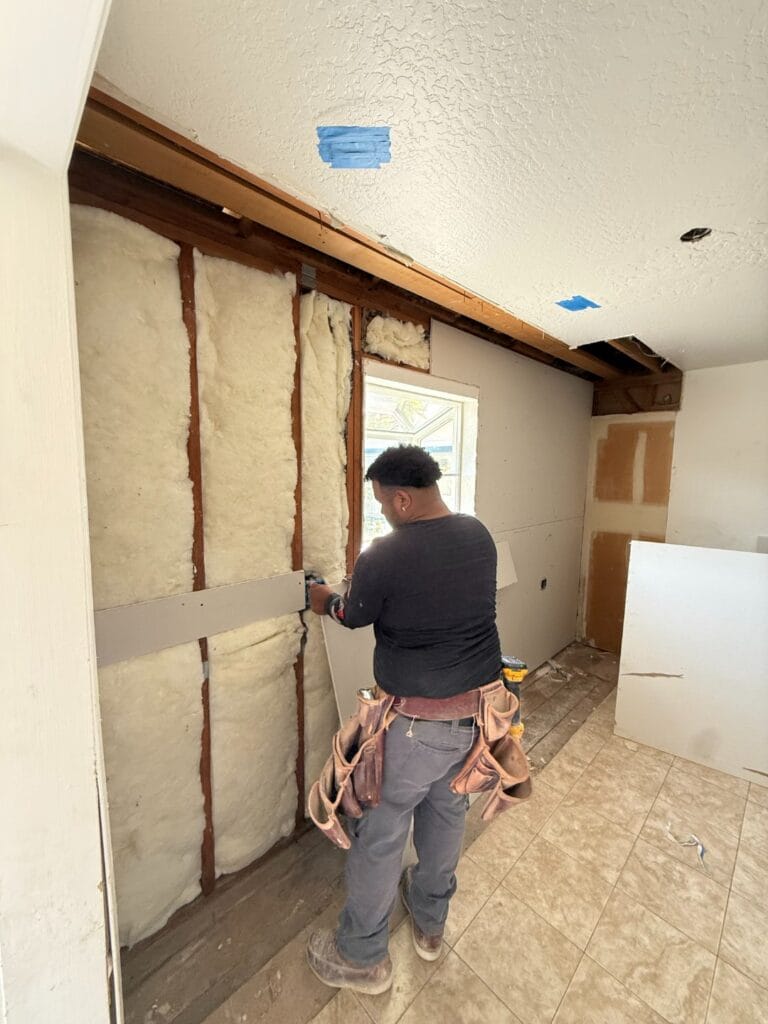
You should expect regular check ins throughout the project so questions and concerns can be addressed early. It also helps to put decisions, selections, and approved changes in writing. When your contractor asks for input, timely responses matter. Good communication keeps decisions moving, limits misunderstandings, and reduces the chance of unnecessary pauses.
A helpful project update should tell you what was completed, what is scheduled next, whether materials are still pending, whether any inspections are coming up, and whether any decisions are needed from you to keep work moving.
Final Thoughts
Your renovation timeline will rarely unfold exactly as expected, especially if your project involves permits, inspections, materials, and several trades working in sequence. In most cases, delays are not the result of poor execution. They are the result of practical constraints that come with real construction work. If you are planning a remodel, working with Top Home Builders in San Jose can help you plan realistically, coordinate the moving parts, and move through the process with greater confidence from day one.
Related Article: How much does it cost to remodel a house in Bay Area.