
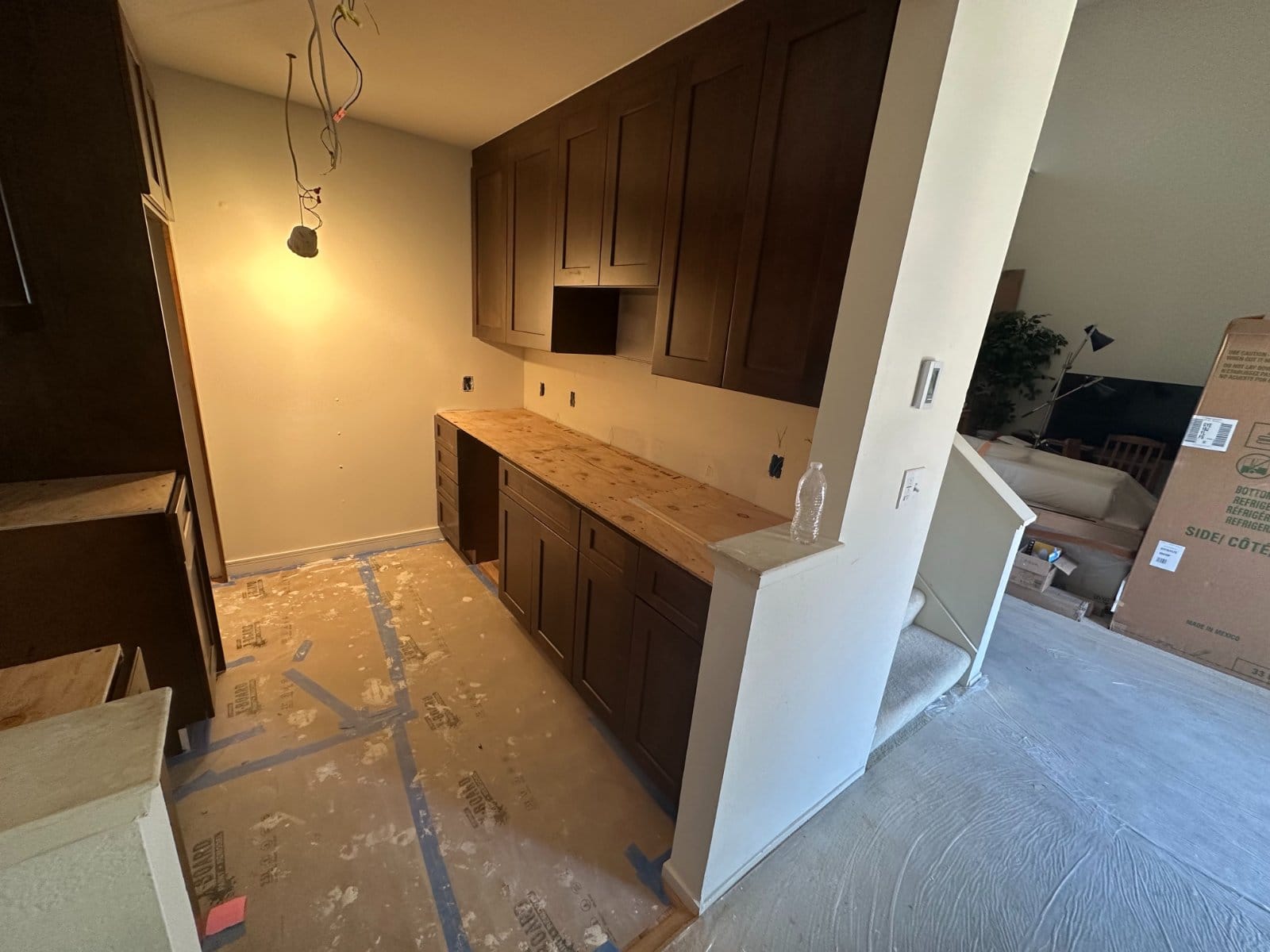
Modern technology, design trends, and green initiatives are prompting many homeowners in San Jose to renovate. Starting a home renovation is a major commitment, requiring an investment of both your time and money. The key to success is understanding exactly what your remodel will require of you. Below you’ll find a complete guide to planning and following a home renovation timeline.
Key Takeaways
- Home renovation timelines vary based on project scope, permit approvals, material availability, and customization.
- Thorough project planning is vital, as defining the scope, budget, and design early can improve project efficiency.
- Permits, inspections, and unforeseen issues are the most common causes of renovation delays.
- Working with an experienced contractor who handles permits and coordinates trades can help you avoid costly setbacks.
How to Plan a Home Renovation Timeline
Are you embarking on a remodeling project and want to know how to plan a home renovation timeline? You’re in the right place. The first step is to learn about the steps involved in the process.
Timelines will vary based on project scope, construction complexity, permit approvals, material availability, and labor availability. The best way to guarantee a smooth renovation is to work with a reputable contractor such as Top Home Builder Inc.
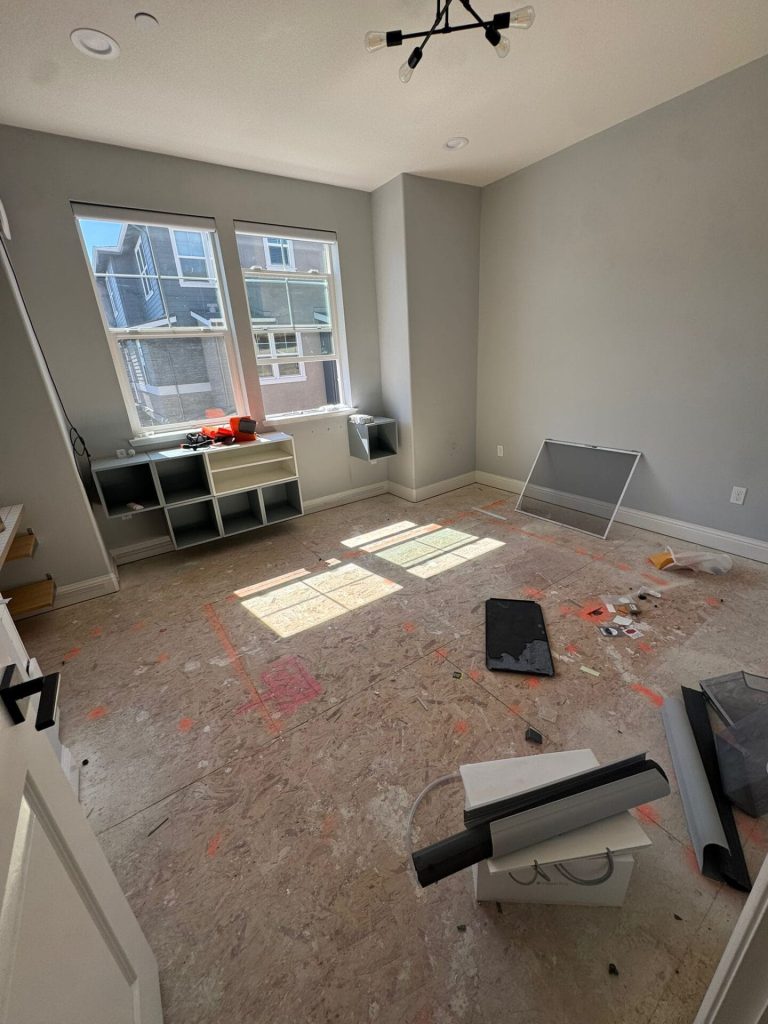
What Affects Your Renovation Timeline in San Jose?
Every renovation timeline is determined by project specifics, such as size, scope, material availability, and customization level. Here’s a list of factors that can affect your home renovation timeline:
- Project Size & Scope: The bigger or more complex your renovation is, the more time it will typically require. For example, a full home remodel will often take longer than a single-room renovation.
- Permit Approvals: Applying for permits can take time as you’ll need detailed project plans and drawings. After submitting your application, you’ll need to wait for a review. If changes need to be made, your start date can be delayed.
- Material & Labor Availability: Material availability and/or shipping delays can affect your construction schedule. Additionally, contractor availability, especially for specialized trades, will determine when work can begin.
- Customization & Complexity: Renos that involve extensive customization can take longer as specialized tradespeople may be required. More intricate designs that require structural modifications can also extend renovation timelines.
- Unforeseen Complications: Even with inspections and detailed planning, issues can arise unexpectedly, especially in older homes. For example, finding mold, asbestos, or foundation damage can extend your renovation timeline.
Planning & Pre-Construction Timeline
2 Weeks to 3+ Months
The planning stage of your renovation involves finding a reputable contractor, determining and outlining project goals, and creating a realistic budget. The timeline for planning and scheduling remodels depends on project scope and contractor availability. Partnering with an experienced and licensed renovation company such as Top Home Builders Inc. is vital to guaranteeing a smooth and efficient project.
During this time, you’ll establish a vision, budget, and renovation team, as well as research local permit and zoning regulations. The two key pre-construction steps are defining the project scope and setting a realistic budget. These two factors have a major impact on the timeline as they influence permit and labor requirements, material selections, and the renovation’s size.
Design & Permitting Phase
2 Weeks to 6+ Months
The project phase duration for designs and permits is slightly different for every renovation. During this stage, your design team will create architectural drawings and 3D renderings based on your design goals, vision, and pre-construction planning. You’ll also make your material selections, which can take two to six weeks depending on customization. Projects involving structural, electrical, plumbing, or layout changes will require permits. The permit application review process in San Jose can take anywhere from 2 weeks to 6+ months, depending on project scope and whether changes are required.
Demolition & Framing Timeline
1 to 4 Weeks (small-medium reno) or 4 to 12+ Months (full home reno)
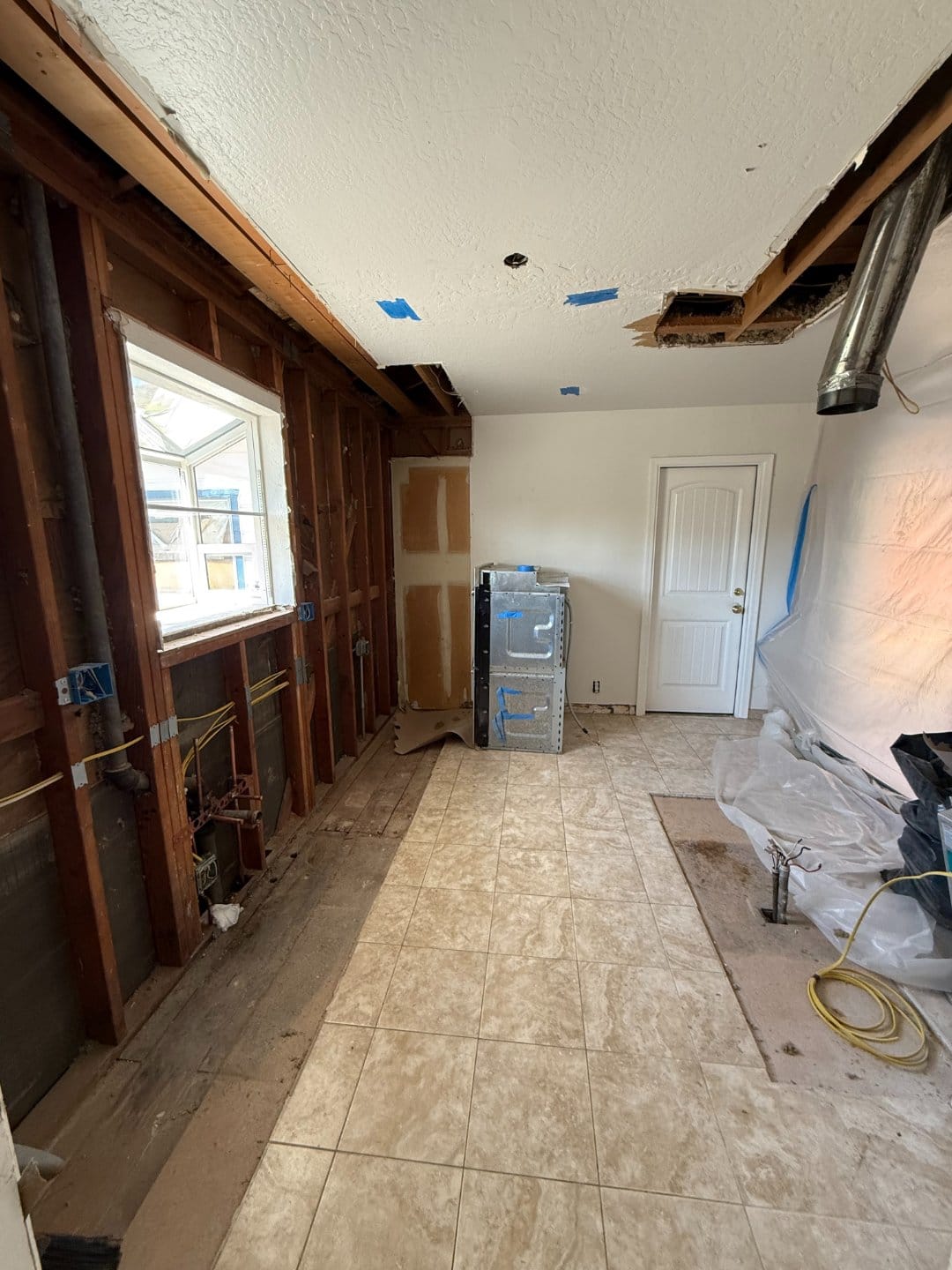
Demolition involves removing existing walls, flooring, fixtures, and/or finishes. Once demolition is complete, the construction crew can move forward with framing. This phase involves installing walls, floors, and occasionally roof structures for each room under renovation. The final step of this stage is sheathing, which is installed to reinforce the frame and prepare it for the finishes.
A key factor to consider during demolition is the age of your home. Approximately 21% of homes in San Jose were built before 1960. As a result, it’s common to encounter issues such as outdated wiring, water damage, and asbestos. If you own an older home, it’s important to account for potential delays due to hazardous materials or repairs.
Mechanical, Electrical, & Plumbing Timeline
Installing mechanical, electrical, and plumbing is often referred to as the rough-in stage of the renovation. Understanding all the steps involved in the rough-in stage can help you set clear remodel timeline expectations. Licensed and certified tradespeople will install the plumbing, electrical, HVAC, and any smart-home technology systems within the open walls. This is a critical part of your renovation, as all the work must pass a city inspection to guarantee your safety as well as code compliance. Failing inspections can be a huge setback in your timeline. Upon approval, the insulation and drywall will be installed. At the same time, any exterior work that needs to be finished, such as installing windows, doors, siding, and roofing, will take place.
Finishes & Final Detail
1 to 3 Weeks
This is the long-awaited final stage of your renovation. All your pre-selected finishes, fixtures, lighting, cabinetry, and hardware are installed. This is also the stage where trim and moldings are applied. Your team will perform a few final steps, including inspections, plumbing and electrical checks, walkthroughs, and touch-ups. Once complete, your brand-new home will be handed over, ready for you to enjoy!
How Delays Happen & How to Avoid Them
Without careful planning and open communication, you’re more likely to experience delays due to errors, change orders, and unforeseen complications.
Here’s how you can avoid delays:
- Finalize designs and materials early to avoid change orders.
- Work with an experienced contractor who assists with or manages trades and permits.
- Account for contingencies such as weather or material delays when creating a timeline.
- Maintain regular communication with your renovation team to address issues early
- Meeting your remodel timeline expectations.
Setting Realistic Home Renovation Timeline Expectations
Setting realistic home renovation timeline expectations helps you avoid setbacks, stress, and disappointment. Working with an established and trusted contractor is also essential. You can invest in an efficient and hassle-free renovation with Top Home Builders Inc. Call us today to set up a consultation!
Related Article: How much does it cost to remodel a house in Bay Area.